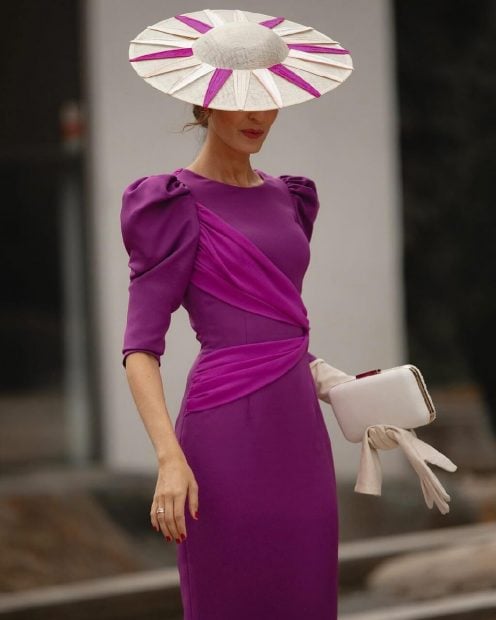
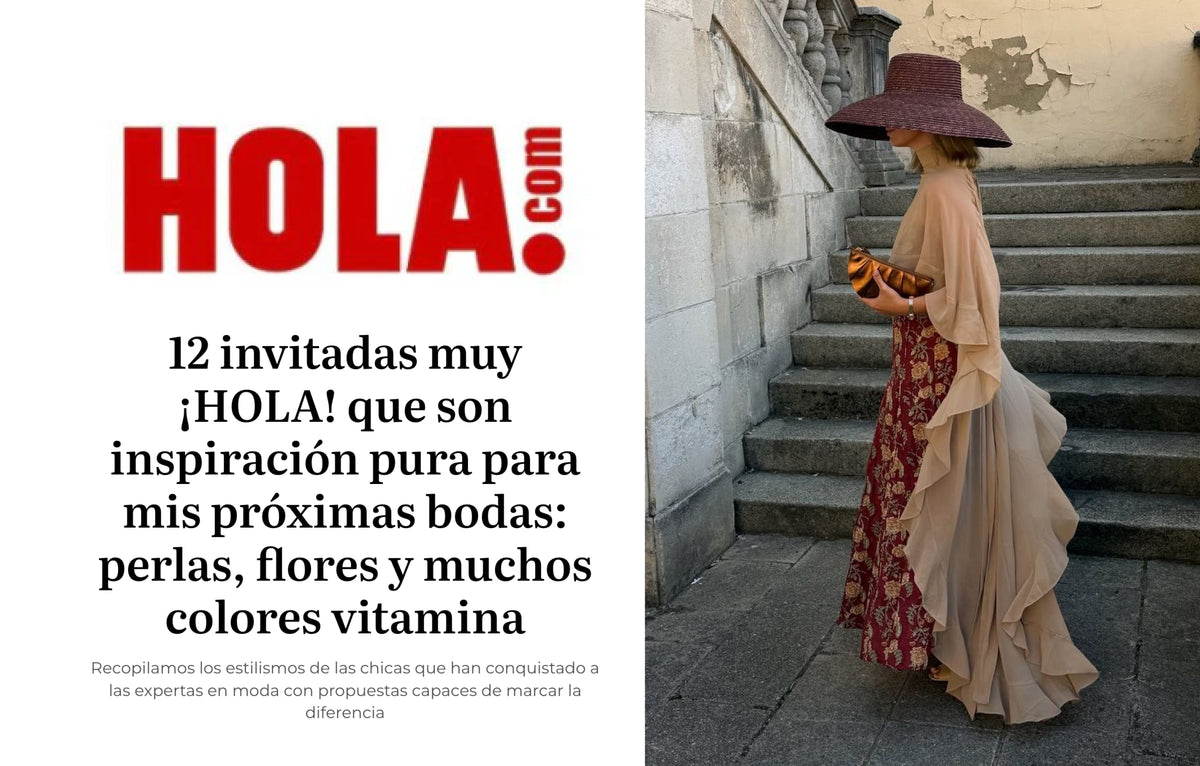
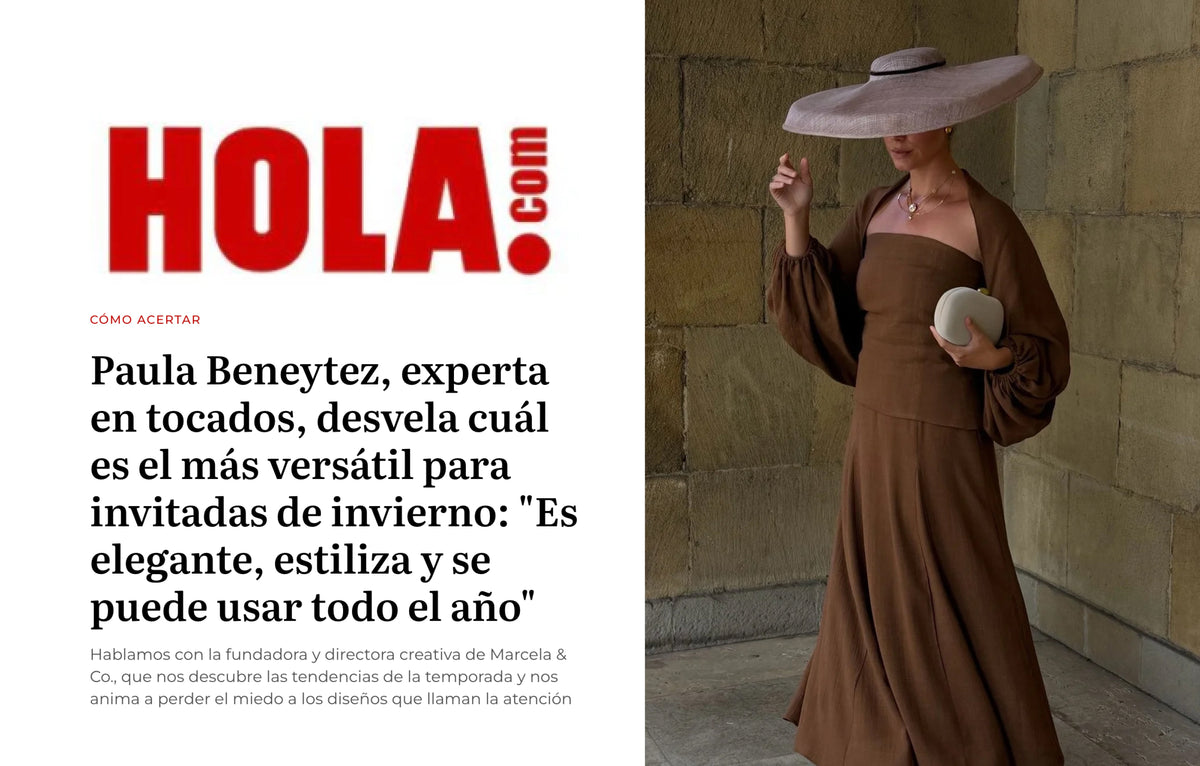
Paula Beneytez, headpiece expert: “They’ve made a strong comeback thanks to Kate Middleton and Queen Máxima of the Netherlands”
Wedding guest fashion trends are constantly evolving, but some accessories make a comeback stronger than ever. This is the case with pamelas, an accessory that for years seemed reserved for very specific weddings or particularly daring women and is now once again taking center stage in the most elegant looks. Far from being seen as a mere addition, the pamela has become the element capable of transforming a simple dress into a true wedding guest look. Behind this phenomenon are changes in the way fashion is consumed, greater freedom in interpreting protocol, and the influence of style icons who have turned this accessory into a synonym for sophistication. We spoke with Paula Beneytez, CEO of Marcela & Co, to discover why pamelas are enjoying one of their best moments, what trends will define the season, and where the world of wedding guests is heading.
The great return of pamelas
If a few years ago many wedding guests hesitated before incorporating a pamela into their look, today exactly the opposite is happening. More and more women are looking for that accessory capable of setting their look apart and adding personality to a dress.
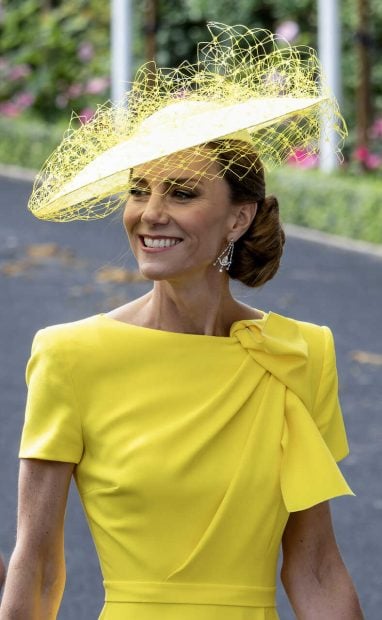
For Paula Beneytez, this phenomenon has a very clear explanation: “Pamelas have made a strong comeback thanks to highly admired public figures known for their style, such as Kate Middleton and Queen Máxima of the Netherlands, who frequently incorporate them into their looks.”
More versatile dresses and more prominent accessories
Weddings are no longer experienced the same way they were two or three decades ago. Wedding guests are looking for garments they can reuse and that won't be relegated to the back of the closet after a single celebration.
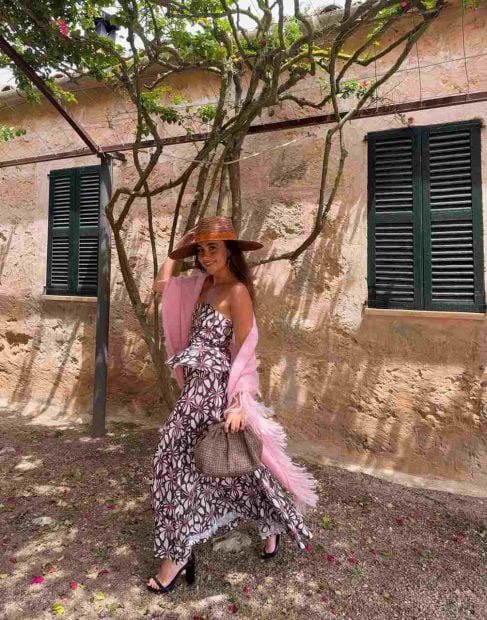
In Beneytez's words, “wedding guests today buy their dresses with the intention of wearing them to multiple events, even in their everyday lives, and from well-known mid-priced stores,”** some specializing in wedding guest fashion and others in general women's fashion chains.
The CEO of Marcela & Co explains that this new way of consuming fashion has completely changed the role of accessories. “Before, many dresses were made exclusively for a wedding; they were unique, custom-made pieces. Today, a wedding guest can perfectly match another guest wearing the same dress.”
That is precisely why, she adds, “accessories are now very important because headpieces turn a fairly ordinary dress into a wedding guest outfit; they elevate it to another category. They also make an outfit completely different from that of another guest wearing the same dress but different accessories.”
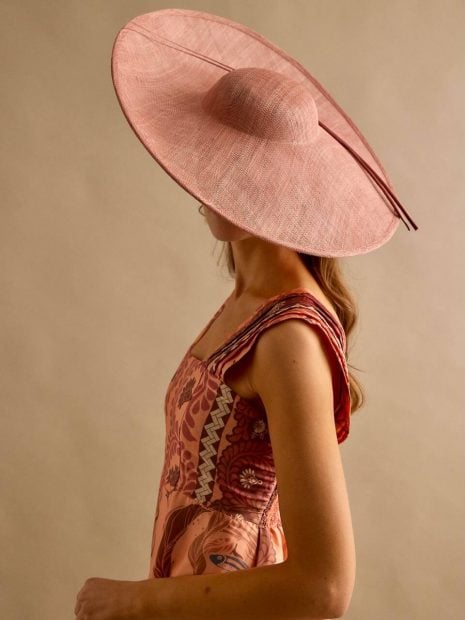
An accessory for all wedding guests
For a long time, there was a perception that wearing a pamela was a risky decision or reserved solely for mothers of the bride or groom and very close relatives. However, that idea has radically changed.
At Marcela & Co, they are embracing it with enthusiasm. “We are very grateful to our clients and are trying to offer a wide variety of colors and shapes to suit all tastes,” explains Beneytez.
When asked what type of wedding guest currently opts for this accessory, her answer is emphatic: “Everyone, of all ages and whatever role they play at the wedding.”
This democratization has meant that the pamela is no longer seen as an exclusive accessory. “Yes, it has become a chic and stylish accessory that no one can do without if they want to be truly dressed for a wedding,” she says.
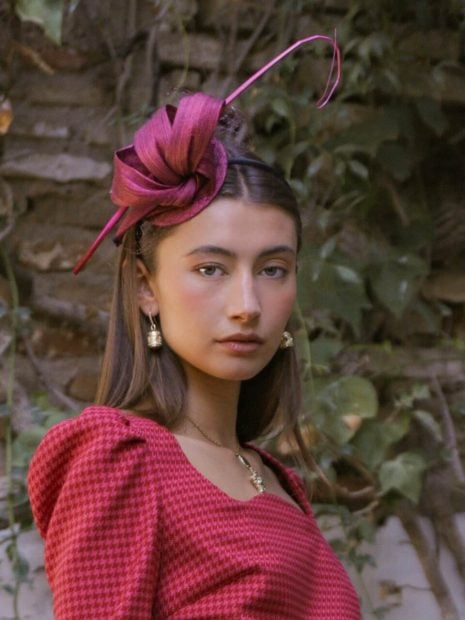
Protocol no longer dictates all the rules
For years, protocol fairly rigidly dictated when it was appropriate to wear a pamela, what size it should be, and even what time of day it should be worn. Today, the rules are much more flexible. “Things are becoming quite flexible,” Paula Beneytez summarizes.
This does not mean that anything goes, but rather that each guest now has more leeway to adapt the accessory to their personality and the type of celebration. However, common mistakes are still being made when choosing a headpiece.
“Many guests become obsessed with a color because they think it is the one that best suits their outfit, without considering whether it really flatters their face and will make them look truly beautiful.”
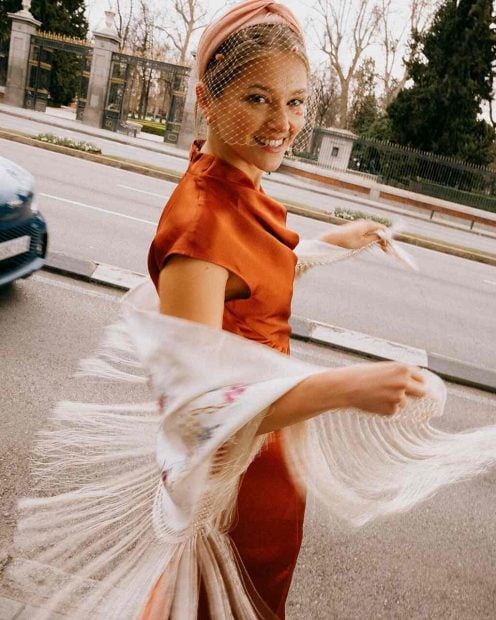
The trends that will dominate this season
Headpiece trends also evolve each season, and this year references are once again looking toward reinterpreted classic elegance.
According to Beneytez, “canotier-style pamelas, like the latest ones worn by Kate Middleton and Queen Victoria of Sweden during June, are defining the season. Also pamelas with irregular shapes and upturned brims.”
As for colors and materials, natural finishes predominate. “Earth tones, from white to nude, are working best. Sinamay and buntal stand out among materials.”
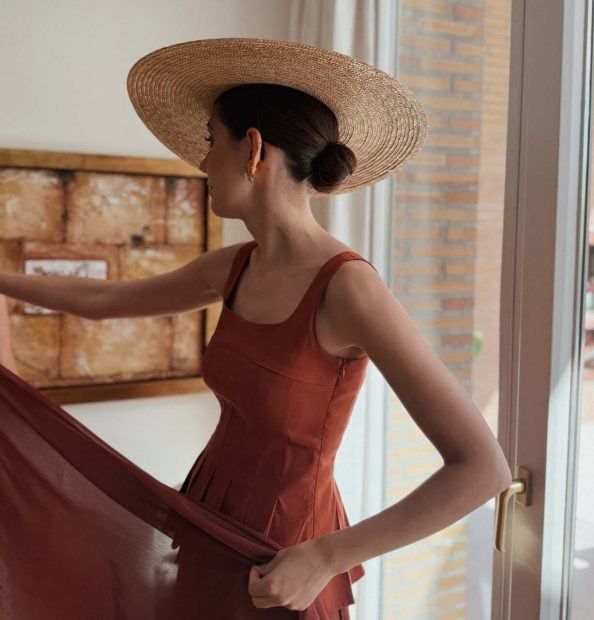
Regarding silhouettes, diversity continues to be the main feature. “There are all kinds of shapes,” she says. And currently, different styles coexist without one clearly dominating the others.
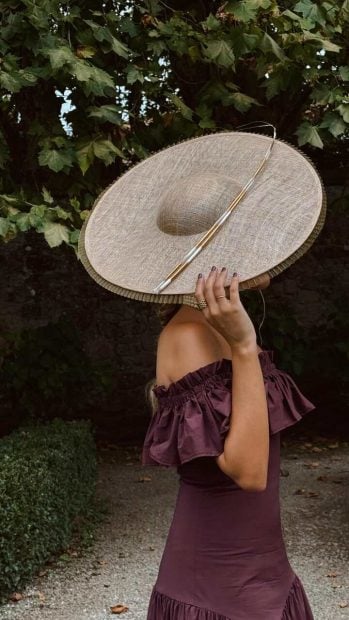
“I would say that three trends coexist. There are many clients who want plain pamelas without embellishments, such as maxi canotiers, and others who are looking for 60-centimeter pamelas with huge flowers.”
This balance between minimalism and theatricality perfectly reflects the diversity of profiles found among today's wedding guests. Beneytez also highlights another piece that has defined the season. “Pillboxes were everywhere all spring. Now it seems we see them less, and pamelas of all kinds are making a comeback.”
The value of artisanal work
Behind every headpiece is a creative process that is much more complex than many people imagine. At Marcela & Co, it all begins by listening to the clients themselves.
“First we listen to what they are looking for, we observe what the royals wear at their latest events, we look for novel materials and colors, we do many construction tests, and we carefully think about how we are going to present that piece to the market so that it is truly appreciated.”
This artisanal work continues to be one of the brand's pillars, although the current market presents new challenges.
“It depends on the client. Some really appreciate craftsmanship, while others even complain when they see a stitch on a handmade product.”